Purpose at Work: The Question Nobody Asks
For some people, work isn’t what they do. It’s who they are During a recent session I asked a group…
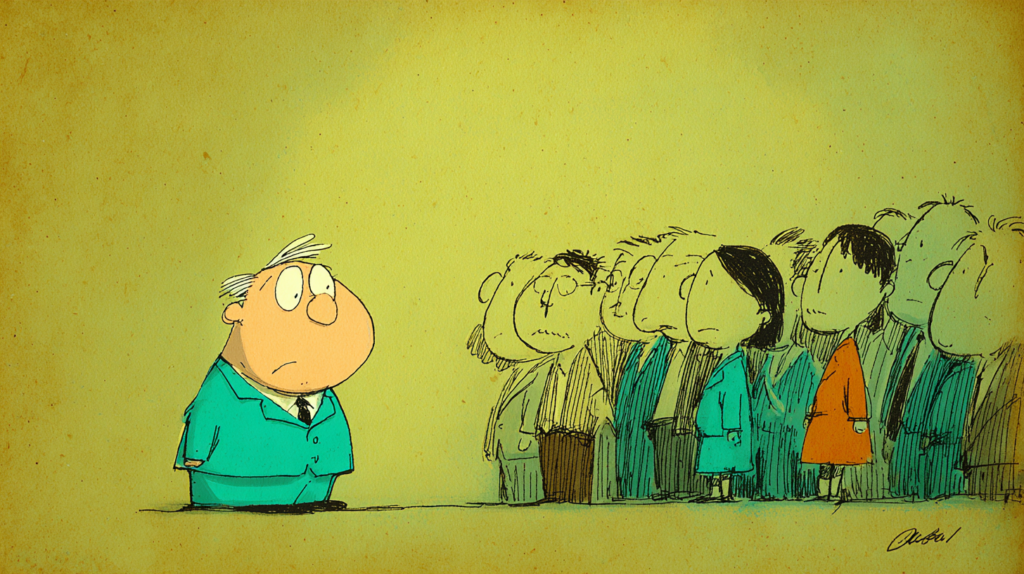
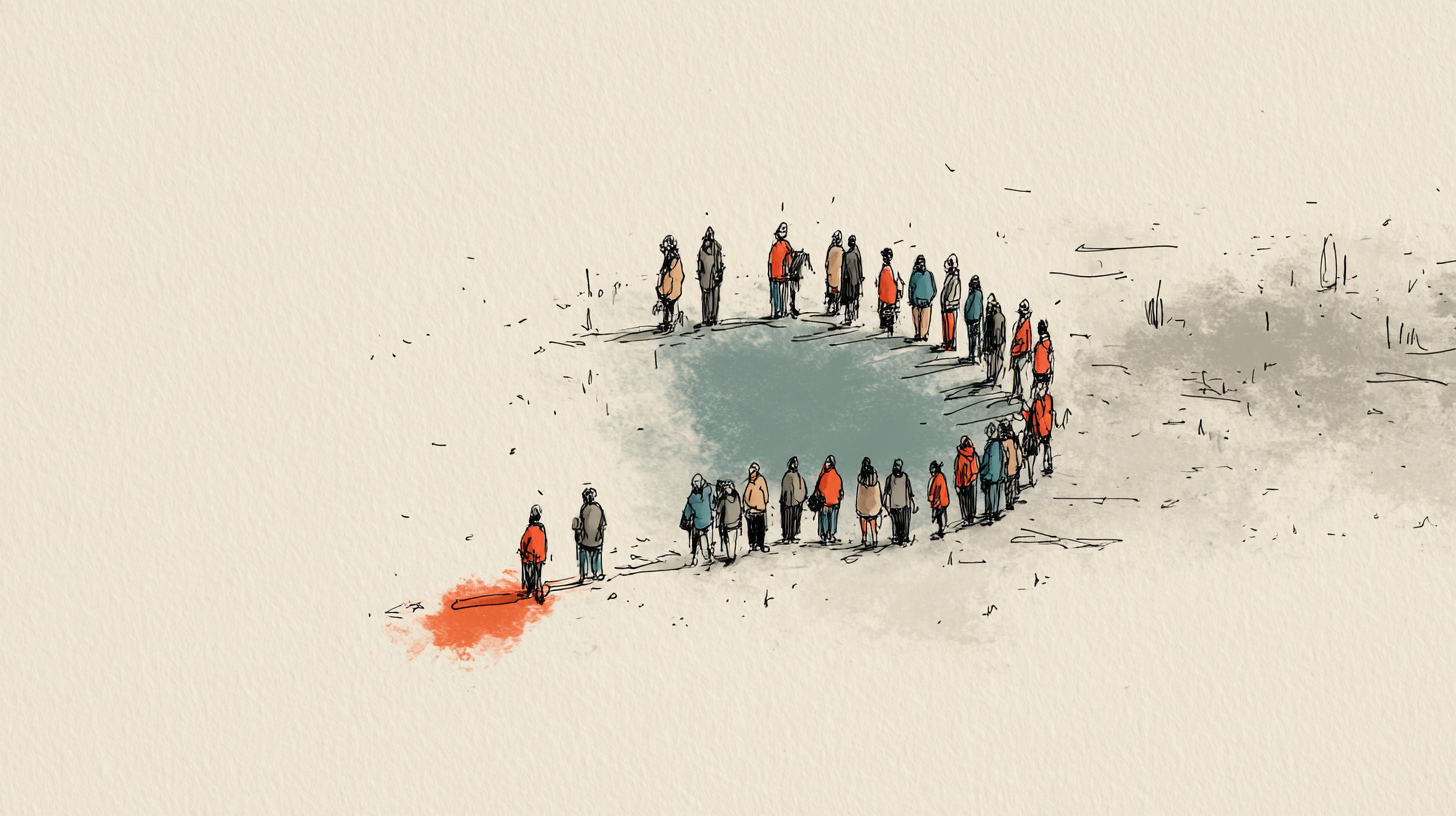
Team performance in 2026 is shaped less by individual capability and more by the conditions in which people work together.
This article completes a short series examining five workplace shifts shaping culture, leadership, resilience, teams, and performance in 2026. It focuses on teams, and on what behavioural science continues to show about what allows them to perform well over time.
As organisations become more distributed and work more complex, teams have become the primary unit through which people experience leadership, culture, and performance expectations. Yet many organisations still underestimate how strongly team conditions shape outcomes compared with individual capability or effort.
Behavioural science research is clear on this point. Studies from institutions such as Warwick Business School show that, across sectors and working arrangements, high-performing teams share a small number of consistent features. They are psychologically safe. Roles are clear. Goals are understood and shared. Leaders model the behaviours they expect to see.
Psychological safety, in particular, has repeatedly emerged as the strongest predictor of team effectiveness.
This was most notably highlighted by Google’s multi-year Project Aristotle research and has since been reinforced by a growing body of longitudinal studies and meta-analyses. Teams where people feel safe to speak up, ask questions, and admit mistakes consistently outperform those where silence or caution dominates. This holds across industries, over time, and even under pressure or change.
Teams with strong psychological safety share information more openly, adapt more effectively, and learn faster from mistakes. Recent Gallup research also shows that employees who feel safe to voice opinions and be themselves at work report significantly lower burnout and are far less likely to consider leaving.
Safety, in this sense, is not a cultural extra. It is a performance enabler.
However, psychological safety does not operate in isolation.
The same research makes clear that safety works best when paired with clarity. Teams can feel supportive and well-intentioned, yet still struggle when roles are ambiguous, priorities conflict, or decision-making is unclear.
In these conditions, effort is often high but misdirected. Coordination suffers. Accountability blurs. Frustration builds. People work hard, but not always on the right things.
Clarity provides the structure within which safety becomes productive. It tells people what matters, where decisions sit, and how success is judged.
Team leaders play a critical role here. Research consistently shows that teams mirror leader behaviour.
When managers model openness, curiosity, and cooperation, teams follow suit. Inclusive leadership, where different perspectives are actively welcomed and respected, strengthens both psychological safety and resilience.
Conversely, when leaders avoid challenge, punish dissent, or tolerate ambiguity, teams quickly learn to hold back. Silence becomes safer than contribution. Problems surface later, when they are harder to solve.
In 2026, strong team performance depends less on individual effort and more on deliberate leadership attention to team conditions.
Leaders who invest time in clarifying expectations, reinforcing shared goals, and protecting speak-up cultures create teams that can coordinate effectively and cope better with pressure.
Sustainable team performance is shaped less by individual effort and more by the conditions leaders create. Psychological safety and clarity are not optional extras.
They are the foundations on which effective teams and performance are built.
In practice, this means shifting what leaders pay attention to. Not just outcomes, but how work is discussed, how mistakes are handled, and whose voices are heard. Teams read these signals quickly. Over time, they learn whether it is safer to contribute or to stay quiet. That choice shapes performance far more than any individual skill ever could.