What history can still teach us about work today
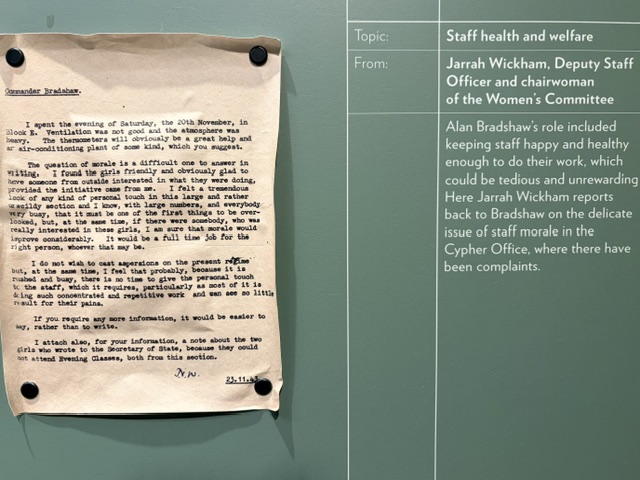
I recently read an internal memo about the conditions in an organisation I was visiting. It described a department with…
Leadership and performance in 2026 are being shaped by forces that no longer sit neatly in separate boxes. Across this series of five articles, five workplace trends have been explored. Each one matters in its own right. Taken together, they reveal something more important than any individual shift.
They show that many of the pressures organisations are experiencing in 2026 are not isolated problems to be fixed one by one. They are symptoms of how work is being designed, led, and experienced.
What connects these trends is not a lack of effort, intent, or care. In most organisations, people are working hard and leaders are trying to do the right thing. The issue is that performance is increasingly shaped by everyday leadership behaviour and system conditions, rather than by formal initiatives or strategies.
A recurring pattern runs through all five trends. Where leadership behaviour is predictable, explanations are given, and standards are applied consistently, trust holds. Where roles are clear and priorities are well set, pressure is manageable. Where teams feel safe to speak up and understand what is expected of them, learning and performance follow. Where these conditions are missing, even well-intended changes add strain rather than capability.
This has implications for how organisations respond.
Many default responses still focus on surface fixes. Refreshing values. Launching new engagement programmes. Introducing wellbeing initiatives. Accelerating technology rollout. Each of these can be useful, but none will have lasting impact if the underlying conditions remain unchanged.
The evidence across culture, leadership, resilience, change, and teams points in a consistent direction. Sustainable performance depends less on doing more and more on doing differently. It depends on leaders paying closer attention to how work is actually experienced, how decisions are made under pressure, and how clearly expectations are set and reinforced.
In 2026, leadership is less about control and certainty and more about judgement, credibility, and care.
It is about creating the conditions in which people and teams can do good work, adapt to change, and recover from pressure. Middle managers play a critical role in this, operating at the point where organisational intent meets day-to-day reality.
Taken together, these five trends suggest a shift away from viewing culture, wellbeing, performance, and change as separate agendas. They are interconnected outcomes of the same system.
Organisations that recognise this, and act accordingly, are better placed to build trust, retain talent, and perform consistently in increasingly uncertain environments.
The challenge for leaders in 2026 is not to chase the latest framework or initiative, but to strengthen the foundations.
Culture has to be lived. Trust has to be earned. Work has to be designed with care. Teams have to be supported deliberately.
For leaders, this means shifting from asking “What initiative should we launch next?” to asking “What is it like to experience work here, day to day?” That question brings attention back to behaviour, decisions, and systems. It is in those everyday moments that culture is formed, trust is built, and performance is either strengthened or quietly undermined.
When those elements are in place, performance follows.