What history can still teach us about work today
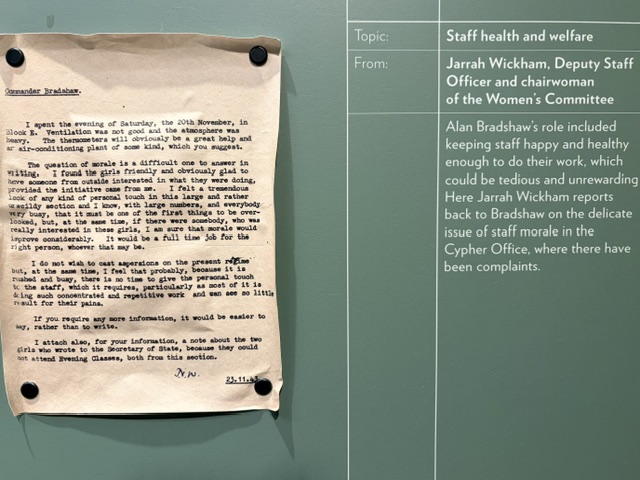
I recently read an internal memo about the conditions in an organisation I was visiting. It described a department with…
Burnout at work in 2026 is no longer confined to moments of crisis. It is becoming a structural feature of how work is experienced, shaped by leadership behaviour, workload design, and unsustainable expectations.
This article is the third in a wider series exploring five interconnected workplace trends for 2026. It looks at how burnout has moved beyond a wellbeing issue to become a systemic performance risk.
Burnout has become a familiar feature of working life, but its impact is changing. While reported levels may have stabilised, its effect on engagement, motivation, and retention has intensified across many organisations.
What is shifting is not simply how tired people feel, but how directly that fatigue is influencing performance and the willingness to stay.
This matters because burnout is no longer primarily an issue of acute stress or crisis response. It is increasingly the result of cumulative overload, sustained pace, and poorly designed work.
It now represents a systemic performance risk, not a wellbeing concern to be managed at the margins. Large workforce surveys show burnout is one of the strongest factors pulling down engagement, particularly among early-career employees and those closest to operational pressure.
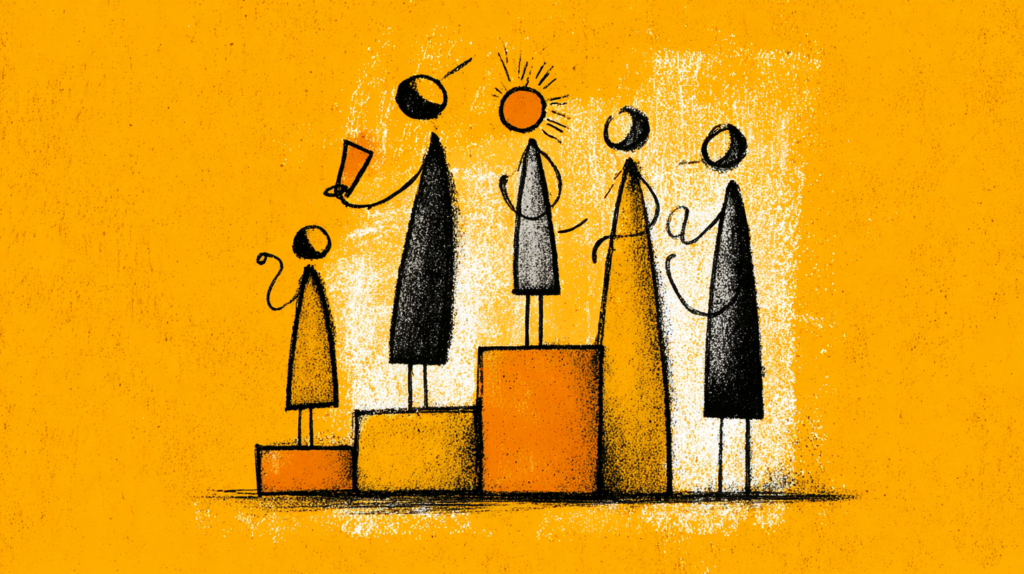
A significant change in the data is the growing role of recognition. Alongside workload and long hours, lack of recognition has emerged as a major driver of burnout.
When effort is sustained but not seen, especially under pressure, energy drains faster. People disengage not only from work, but from the system that fails to notice or value their contribution.
A common misperception is to treat burnout as an individual resilience problem. Organisations respond by offering wellbeing resources or support services.
While these can help individuals cope, they rarely address the conditions that create burnout in the first place.
Another misstep is assuming burnout is evenly distributed. In reality, it concentrates in particular roles, teams, and career stages. Where workload is poorly prioritised, boundaries are unclear, or change is relentless, burnout accelerates.
Leaders who rely solely on high-level engagement data often miss these pressure points until turnover rises or performance drops.
A better approach in 2026 shifts the focus from coping to design.
Leaders pay closer attention to how work is structured, sequenced, and resourced. They reduce unnecessary work, clarify priorities, and create space for recovery rather than simply adding new expectations.
This requires leaders to ask different questions. Not “How do we help people be more resilient?” but “What in our system is making resilience necessary?” Not “How do we motivate people to do more?” but “What would make this workload coherent and sustainable?”
Burnout rarely appears in isolation. It is often a signal that culture, leadership, and workload design are out of balance, a fragility made more pronounced by the pace and nature of organisational change, particularly around AI.
In 2026, burnout is no longer a side issue. It is one of the clearest indicators of whether work has been designed to be sustainable. Where it is rising, it is telling leaders something important about how their organisation is really functioning.
Burnout is often treated as a cost to be managed. In reality, it is feedback.
It tells leaders where expectations are misaligned with capacity, where priorities conflict, and where people are being asked to carry ambiguity without support. It shows up first in energy, then in behaviour, and finally in results.
In that sense, burnout is not a failure of people. It is a signal about how the system is working.
Leaders who learn to read that signal gain a clearer picture of where performance is being quietly eroded, long before it appears in the numbers.