Purpose at Work: The Question Nobody Asks
For some people, work isn’t what they do. It’s who they are During a recent session I asked a group…
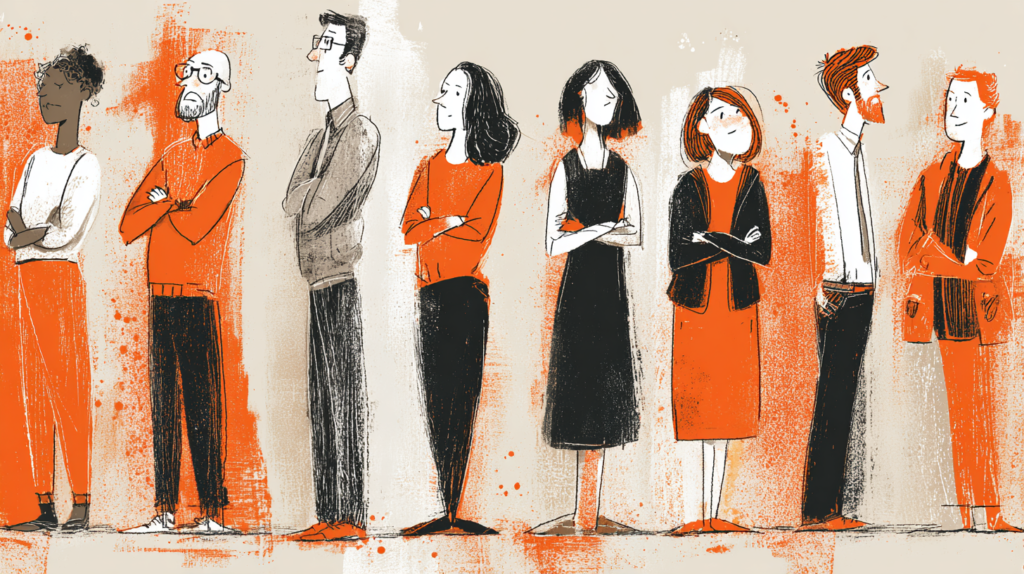
Trust in leadership in 2026 is being tested by sustained pressure, rising expectations, and a growing gap between what organisations promise and what people experience at work.
This article is the second in a short series examining five workplace shifts shaping culture, leadership, resilience, teams, and performance in the UK in 2026. It focuses on the growing trust gap in leadership and why credibility is becoming a defining factor in organisational effectiveness.
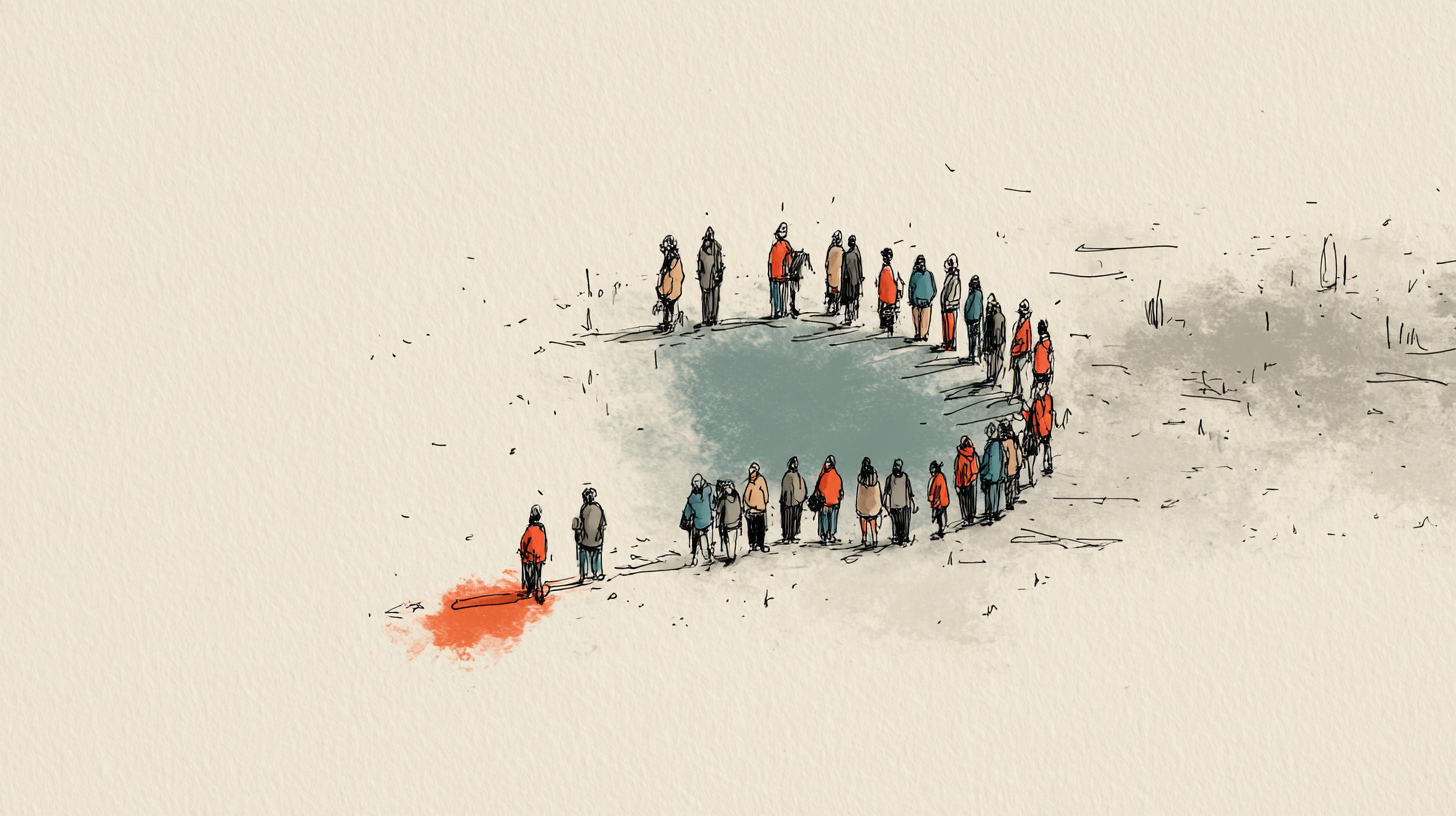
Trust in leadership has become one of the most fragile elements of organisational life. Across sectors, employees report lower confidence in senior leaders’ decisions, intentions, and consistency, even in organisations that appear to be performing well on paper.
This is not a vague shift in sentiment. Large-scale workforce studies consistently show that fewer than half of employees say they trust their senior leaders. That gap matters because it is closely linked to engagement, retention, discretionary effort and, ultimately, performance.
Where trust is low, even well-intended change is received with scepticism. At the same time, expectations of leadership have increased. Leaders are expected to provide clarity in uncertainty, care for wellbeing, maintain performance, and lead ongoing change.
Much of that pressure lands on middle managers, who are asked to translate strategy while absorbing frustration from both above and below.
In 2026, this combination creates a structural risk for organisations. Leadership roles are becoming harder, while the trust that makes leadership effective is diminishing.
A common assumption is that trust is primarily about personality or communication style. Organisations respond by focusing on leadership presence, visibility, or tone.
These factors play a role, but they are not the main drivers.
Trust is built through behaviour over time. It strengthens when leaders explain the reasoning behind difficult decisions, apply standards consistently, and demonstrate genuine concern for how change affects people’s work. Where the gap between what leaders say and what they do widens, trust erodes quickly.
Another frequent mistake is underestimating how inconsistent trust can be across an organisation. Senior leaders often believe trust is higher than it is, particularly among early-career employees and frontline teams.
This misalignment creates blind spots, especially during periods of change. Leaders may interpret resistance as reluctance or negativity, when it is often a rational response to past experience.
Stronger practice in 2026 focuses less on projecting certainty and more on practicing credibility.
Leaders take time to explain decisions, even when messages are uncomfortable. Managers are supported to exercise judgement rather than simply enforce policy. Dialogue is treated as a leadership responsibility, not a risk to be managed.
Low trust does not just change how people feel about leadership. It changes how pressure is experienced day to day. That strain is increasingly showing up as burnout and disengagement.
Trust is no longer a “soft” factor. It is becoming one of the clearest predictors of whether organisations can carry pressure and perform sustainably in the years ahead.