What history can still teach us about work today
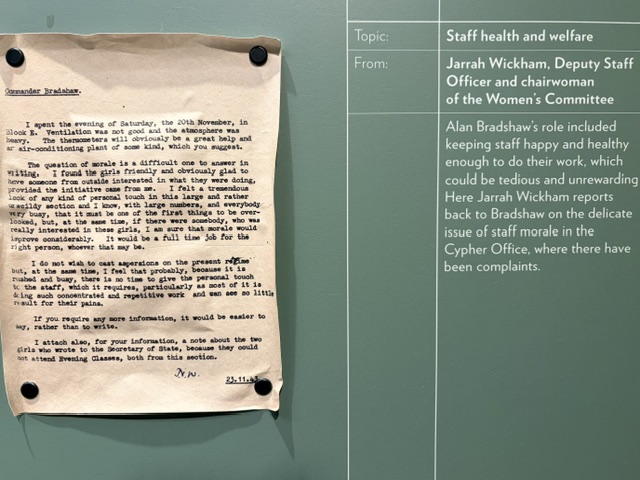
I recently read an internal memo about the conditions in an organisation I was visiting. It described a department with…

One of the most frequent challenges I hear from people I work with across the NHS and beyond is this: there’s never enough time to get everything done.
Personal productivity strategies can and do make a difference—many have shared with me how simple adjustments I’ve shared have positively impacted their lives—but the two biggest culprits remain the same: emails and meetings.
The numbers are staggering: in the 1970s, the average employee dealt with around 1,000 communications a year. By the 2010s, that figure had skyrocketed to over 30,000. Add to this the fact that most employees spend 23 hours per week in meetings (up from 10 in the 1960’s), and it’s no wonder that overwhelm and burnout are increasingly common.
But it’s not just the quantity of meetings; it’s their quality.
In healthcare, this wasted time doesn’t just mean inefficiency—it has real-world implications for patient care and staff wellbeing. But the issue isn’t exclusive to the NHS; I’ve also worked with organisations outside of healthcare to tackle this head-on.
Auditing Meetings: From Problem to Solution
One approach I’ve used with leaders is conducting a meeting effectiveness audit. By examining the purpose, structure, and outcomes of meetings, we’ve been able to:
The result? More time for high-value work, improved team engagement, and better organisational performance.
How Are You Tackling Meetings?
What’s your approach to reducing the time and energy spent in meetings? Have you introduced strategies that have made a difference?
If you’re struggling with this challenge—or curious about how a meeting audit could help your organisation—feel free to reach out. Together, we can identify practical solutions to help you reclaim your time.
#Leadership #Culture #Productivity #Healthcare #NHS